
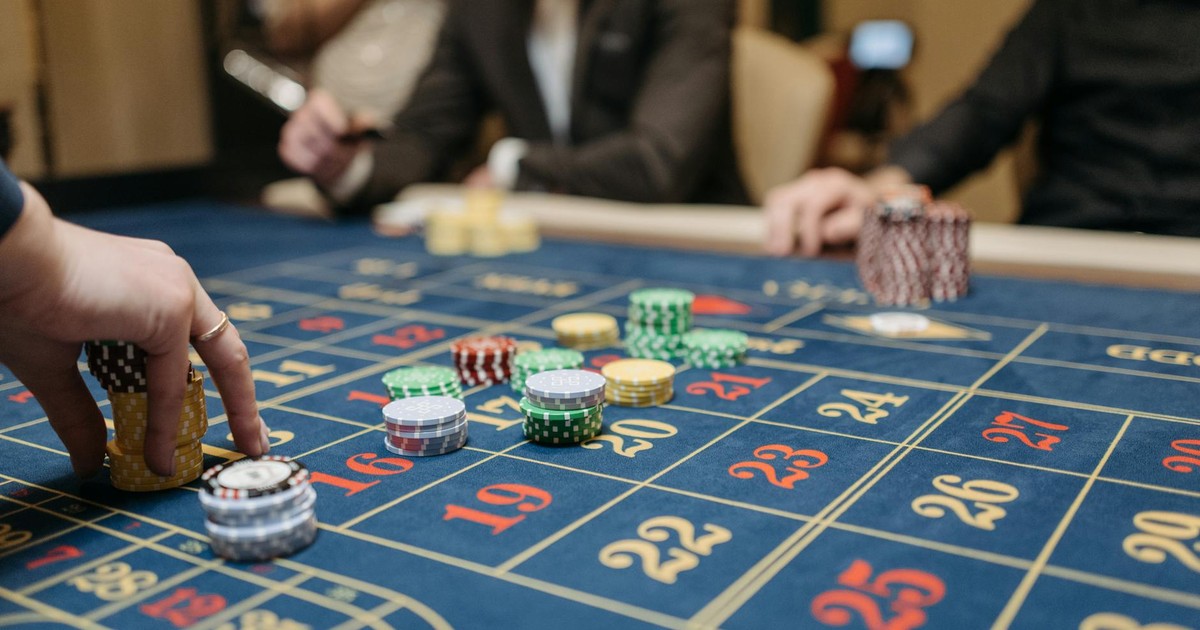
Sports gambling isn’t a game—it’s a psychological trap. Over five days, I put theory to the test with a simple mission: turn £10 into £1,000 using cold, hard logic. The result? A crash course in addiction, false control, and the disturbing reality that betting is engineered to mess with your head.
Let’s start with the latest Premier League sob story. Nine clubs are scrambling for shirt-front sponsors after gambling firms got the boot next season. “Nearly everyone is losing money,” whines one executive. Fire up the world’s tiniest violin—no, make that a nano-grasshopper violin—for these franchises swimming in TV revenue and global branding deals.
How does an industry where the world champions can lose £335 million cope without an extra £4 million to toss at agents? It’s a laughable complaint. The real issue isn’t lost sponsorship; it’s the predatory nature of gambling itself.
I’ve always hated the force-fed gambling culture in sports. Betting is the antithesis of competition. If you need a wager to care about a game, you don’t love sport—you’re just monetizing collective boredom. The overreach is staggering: logos bigger than club badges, brands like Betwang and Puntbot screaming from every screen.
Worse is the sinister lifestyling. Ads paint gambling as a path to friendship, joy, and even a table football match with Jermaine Jenas. It’s a fantasy world of “accas” and “cash spurt buzz-outs,” designed to make you feel lonely and scared until you place that bet.
I’d never gambled on sports before. The math is clear: you can’t win. Bookies ban successful players, forcing pros to hustle with fake accounts. But last week, I dove in. The plan? Exploit predictable outcomes, avoid risk, and grow a stash with boring precision. Surely, with a lifetime of analyzing sports, I could beat a 4% savings account.
Day one: £10 on Uncle’s Gold to place in a Florida horse race. The horse won. A brief air-punch, then… nothing. Just sadness. Why hadn’t I bet everything? My digital winnings felt empty. All I could taste were hypothetical losses. Uncle’s Gold seduced and betrayed me in one breath.
This is gambling’s core truth: it’s massively addictive. Up to 1.4 million UK adults may have a problem, fueled by deregulation and smartphones that mainline defeat straight into your eyeballs. I’m already hooked on three lethal vices—but this one, I vowed to beat.
Bet two: Manchester City to beat Liverpool with Rayan Cherki assisting. Obvious, right? It didn’t feel obvious when the game kicked off, and I realized I control nothing. But Liverpool folded. Cherki delivered. The system worked.
Bet three: half the pot on Southampton to beat Arsenal in the FA Cup, placed with Saints 1-0 up. I’m the crap whisperer—I knew Arsenal would lose. They did. £10 became £120. A 1,100% return in five days. I had the key. I was invincible.
Except it wasn’t enough. I felt nothing. Incremental returns? Despised them. I craved bigger highs, real emotion. So I went hyperspace: a four-way Champions League accumulator on Real Madrid, Arsenal, Barcelona, and PSG to reach the semis. That would rocket me to £500. I am the universe.
Here’s the twist: I had inside knowledge that I’m always wrong. Last week, I wrote Harry Kane might win the Ballon d’Or—so that’s doomed. My wrongness became a perverse guide. Bet on Real Madrid. Get what you deserve.
Then, collapse. Kane scored, proving me right and wrecking the voodoo. Diego Simeone, who’d never won at Camp Nou, did exactly that. Halfway through step four, the project derailed. The world is harsh, untamable, whirling with variables.
The learnings are brutal. First, betting on sport is designed to disturb you. It preys on your hard-wired desire to solve things, to thrive and survive. That dopamine hit of victory? Gambling snags it, then twists it into emptiness.
Second, everyone has an addictive personality. Force this stuff into people’s eyelines, and they’ll bite. The bites start feeling different—less like fun, more like compulsion.
Finally, remember: there’s no money “coming into the game.” It’s all cash leaving your pocket. When football cries for more, it’s just twisting your arm with triple-meth-boost accumulators at DeathBet.com.
That £4 million sponsorship shortfall Premier League clubs mourn? It’s not a crisis—it’s rare, sensible self-regulation. Gambling isn’t entertainment. It’s a system built to hook, disturb, and drain. And after five days, I’m out. The house always wins.