
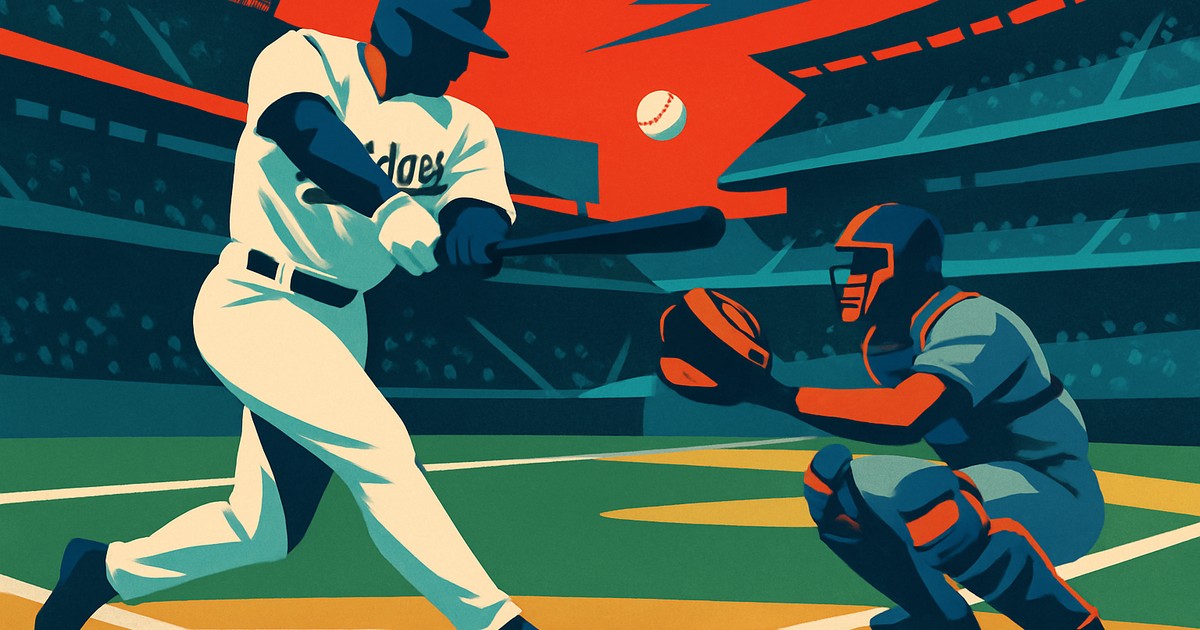
The 2026 Major League Baseball season is shaping up to be one for the ages, with early signs pointing to a high-stakes showdown between two of the league’s most financially formidable teams: the Los Angeles Dodgers and the New York Mets. These powerhouses, who together spent over a billion dollars in the 2025 offseason, are setting the stage for what ESPN has dubbed the ‘Billion Dollar Series.’ With the Dodgers leading the National League West at 11-5, thanks in part to Shohei Ohtani’s stellar performance, and the Mets trailing closely in the National League East at 10-6, this season is already rife with compelling narratives. Beyond the marquee matchups, surprises abound, such as the Pittsburgh Pirates’ unexpectedly strong start and the New York Yankees’ early struggles. This article will delve into these developments, exploring how they might influence the season’s trajectory.
Context
The Los Angeles Dodgers and the New York Mets have long been titans of Major League Baseball, commanding both financial might and on-field prowess. The Dodgers, under the stewardship of their high-profile front office, have consistently leveraged their deep pockets to assemble star-studded rosters capable of contending for the World Series. Their commitment to excellence was on full display during the 2025 offseason when they made significant investments to bolster their lineup, including securing the services of the two-way sensation Shohei Ohtani.
The Mets, not to be outdone, have similarly embraced an aggressive spending strategy, transforming themselves into perennial contenders in the National League East. The acquisition of Juan Soto marks a landmark event for the franchise, signaling their determination to capture the championship glory that has eluded them in recent years. Soto’s presence on the roster has immediately elevated the team’s competitive edge, providing an offensive spark that has the Mets faithful dreaming of October success.
This backdrop sets the stage for the emerging storyline of the 2026 season. As both teams jostle for supremacy, the stakes could not be higher. Each victory and defeat carries additional weight, not only for intra-division rankings but also in the broader narrative of legacy, both sporting and financial. Meanwhile, the broader league continues to adapt to changes like the pitch clock, now in its third season, which has reshaped the tempo and strategy of the game.
What Happened
As the MLB season kicked off, all eyes were on the Los Angeles Dodgers and New York Mets, whose offseason moves had set tongues wagging across the baseball world. The Dodgers came out swinging, leveraging the powerful form of Shohei Ohtani. The Japanese star has been nothing short of spectacular, boasting a batting average of .342, an on-base percentage of .421, and a slugging percentage of .658 through the first 16 games. His dual-threat capability as both a pitcher and a hitter has been a significant factor in the Dodgers’ early success, positioning them atop the NL West standings.
The Mets, meanwhile, have also been living up to their lofty expectations. Juan Soto, in his first full season with the Mets, has quickly become the linchpin of their offensive strategy. Soto’s ability to get on base and generate runs has been crucial in propelling the Mets to a solid 10-6 record, just a game shy of the Dodgers’ lead. Mets manager Buck Showalter has praised Soto’s influence both on and off the field, noting his leadership qualities as invaluable to the team’s chemistry.
Elsewhere, the Pittsburgh Pirates have emerged as the early surprise of the season. With a 9-7 record, the Pirates are defying expectations and proving to be formidable opponents in the National League Central. Conversely, the New York Yankees, fresh off their championship win last year, have stumbled out of the gate with a disappointing 6-10 record. The Yankees’ struggles underscore the unpredictable nature of baseball, where past laurels provide no guarantees of future success. Additionally, the impact of the pitch clock continues to be felt across the league, with average game times now reduced to 2 hours and 34 minutes, compared to 3 hours and 5 minutes before the clock’s implementation.
Why It Matters
The potential showdown between the Dodgers and the Mets has far-reaching implications for Major League Baseball as a whole. The infusion of high-profile talent and substantial financial investments by these teams reflects a broader trend within the league, where success increasingly hinges on the ability to attract and retain star players. This shift has led to a more polarized competitive landscape, where a few well-financed teams dominate, potentially at the expense of parity.
For fans, the prospect of a ‘Billion Dollar Series’ is enticing, promising a clash of titans that could rival any in recent memory. Such a series would not only capture the imaginations of baseball aficionados but also draw casual viewers, boosting television ratings and overall interest in the sport. This increased visibility can translate into higher revenues from broadcasting rights, merchandise, and ticket sales, further fueling the teams’ financial capabilities.
On the flip side, the emergence of the Pirates as a competitive force and the Yankees’ uncharacteristic struggles highlight the inherent unpredictability of baseball. These developments serve as a reminder that while financial power plays a significant role, it does not guarantee success on the field. Teams with smaller budgets can still disrupt the status quo through strategic management and player development, ensuring that the sport retains its element of surprise.
How We Approached This
In preparing this article, we at Sports Wire Daily prioritized a comprehensive examination of the early season performances of the Los Angeles Dodgers and New York Mets. Our approach involved analyzing statistical data from the first 16 games, focusing on key players like Shohei Ohtani and Juan Soto. We also considered the broader league context, including the ongoing impact of the pitch clock on game dynamics.
Our editorial lens aims to provide readers with an in-depth understanding of the unfolding narratives in Major League Baseball. We chose to emphasize the financial and competitive aspects of the Dodgers and Mets’ showdown, as they represent significant trends within the sport. While our analysis touched on the surprises and struggles of other teams, our primary focus was on framing the potential ‘Billion Dollar Series’ as a defining storyline of the 2026 season.
Frequently Asked Questions
What is the ‘Billion Dollar Series’?
The ‘Billion Dollar Series’ is a term used to describe the anticipated high-stakes matchup between the Los Angeles Dodgers and New York Mets. Both teams spent over a billion dollars in the 2025 offseason to enhance their rosters, making them prime contenders for the World Series. This term highlights the financial investments made by these teams and the potential impact they could have on the season.
How has the pitch clock affected MLB games?
The introduction of the pitch clock has significantly reduced the average duration of MLB games, with current game times averaging 2 hours and 34 minutes. This change, aimed at enhancing the pace of play, has altered game dynamics, forcing players and managers to adjust their strategies. The pitch clock has been met with mixed reactions, with some appreciating faster games and others voicing concerns about its impact on traditional gameplay.
Why are the Yankees struggling this season?
The New York Yankees’ rough start to the 2026 season can be attributed to several factors, including injuries to key players and inconsistency in both pitching and batting. The defending champions have found it challenging to replicate their previous success, highlighting the competitive and unpredictable nature of Major League Baseball. Their current struggles serve as a reminder that no team, regardless of past achievements, is immune to the challenges of a new season.
As the 2026 MLB season continues to unfold, the potential clash between the Dodgers and the Mets stands out as a captivating storyline, symbolizing the intersection of financial power and athletic performance. Fans and analysts alike will be keenly observing how these narratives evolve, with each game offering new insights into the dynamics of modern baseball. Ultimately, the season will be remembered for its twists and turns, as teams vie for supremacy and the chance to etch their names into the annals of baseball history.