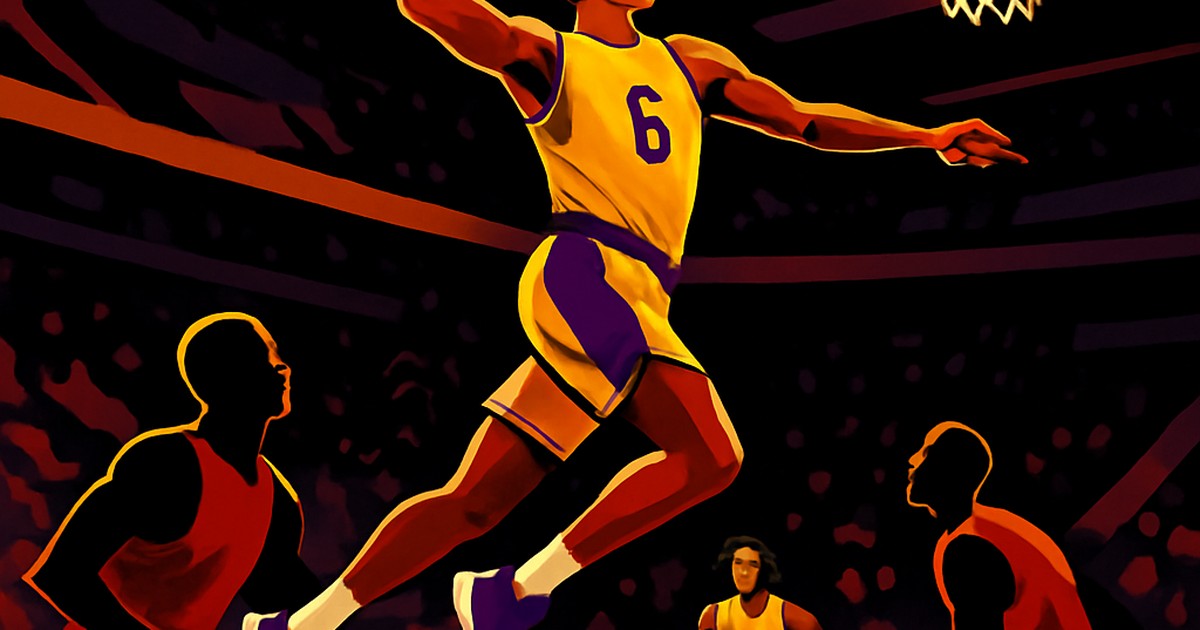
In a riveting display of resilience and strategic brilliance, the Los Angeles Lakers edged out the Houston Rockets in a nail-biting overtime victory in Game 1 of their first-round playoff series. Held at the bustling Toyota Center, the match concluded with a 127-121 win for the Lakers, largely due to a stellar performance from an unexpected hero off the bench, Luke Kennard. Kennard’s career-playoff-high of 28 points was a masterclass of efficiency, shooting 7-for-10 from the three-point line and maintaining composure to sink two crucial free throws in the overtime period. This remarkable feat not only highlighted his ability to thrive under pressure but also exposed a critical vulnerability in the Rockets’ defensive strategy: their relentless doubling of LeBron James. LeBron, on his part, delivered an almost triple-double performance with 31 points, 12 rebounds, and 9 assists, while Anthony Davis and Austin Reaves fortified the Lakers’ efforts with significant contributions. The Lakers’ bench outscored the Rockets’ second unit 53-33, a decisive factor in their victory, exposing the depth issues faced by their opponents, especially with Fred VanVleet sidelined due to injury.
Context
Heading into the 2026 NBA playoffs, the Los Angeles Lakers and Houston Rockets found themselves on a collision course, each team determined to stake their claim as a postseason powerhouse. The Lakers, with their storied history and a roster stacked with talent, had their sights set on redemption following a lackluster regular season marred by injuries and inconsistency. Meanwhile, the Rockets, a team characterized by youthful exuberance and a relentless pace, were eager to prove their mettle on the grand stage of the playoffs. The matchup promised to be a classic clash of styles: the Lakers’ veteran savvy and experience against the Rockets’ speed and aggressive offense.
The stage was set at Houston’s Toyota Center, a hostile environment known for its passionate fans and high stakes. The Rockets had enjoyed a strong finish to the regular season, securing a playoff berth with an impressive winning streak. However, their momentum was dealt a blow with the untimely injury of Fred VanVleet, a vital cog in their backcourt and a player known for his clutch performances. His absence left a noticeable void in their lineup, particularly affecting the depth and scoring punch of the Rockets’ bench.
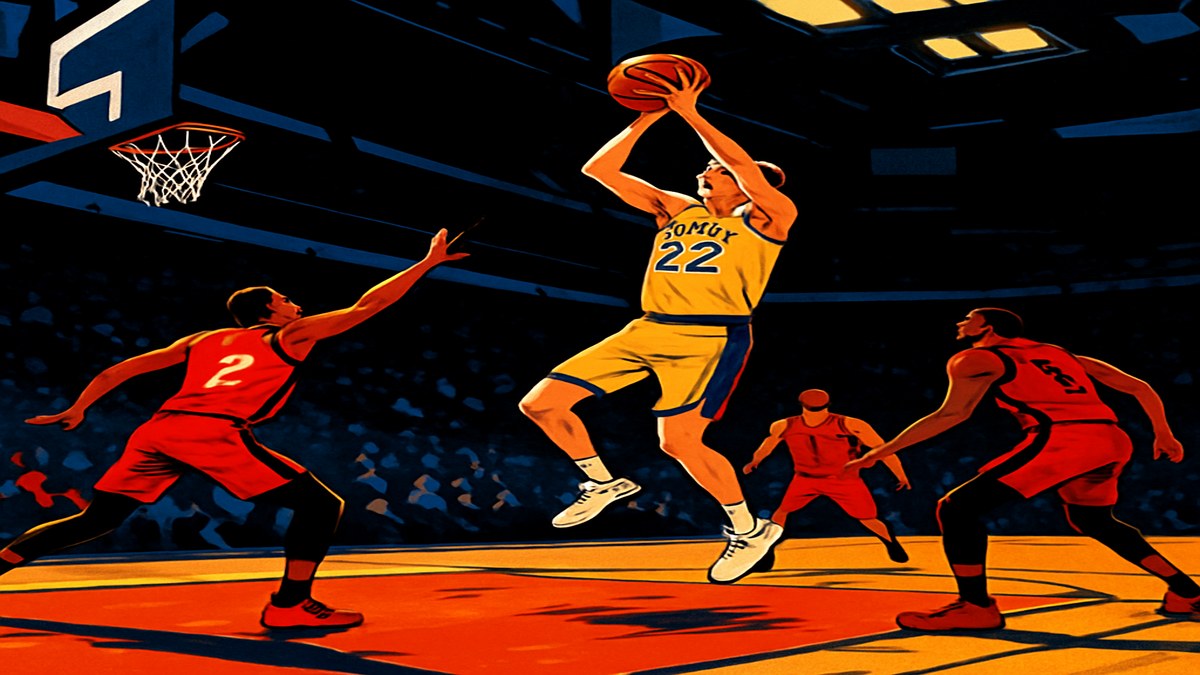
This backdrop of contrasting fortunes and strategic adjustments made the opening game of the series highly anticipated. The Rockets, aware of their depth concerns, leaned heavily on their starters, while the Lakers, buoyed by their seasoned stars and an adaptable game plan, sought to exploit the Rockets’ vulnerabilities. The narrative of this playoff series quickly began to crystallize around these dynamics, with Game 1 offering a compelling preview of the high-stakes drama likely to unfold.
What Happened
The showdown commenced with an electrifying pace as both teams traded blows in an intensely competitive first half. While the Rockets set the tone early, driven by Alperen Sengun’s exceptional performance in the paint, it was the Lakers who executed a more balanced offensive strategy. LeBron James, although heavily guarded, managed to orchestrate the court with precision, allowing his teammates to capitalize on the defensive pressure he attracted. Anthony Davis, true to form, dominated the boards and provided a consistent scoring threat, amassing a double-double that kept the Lakers within striking distance.
Yet, the evening truly belonged to Luke Kennard, whose unexpected offensive explosion became the turning point of the game. As the Rockets doubled down on LeBron, Kennard found himself with ample opportunities to showcase his sharpshooting prowess. His seven three-pointers, combined with clutch free throws during overtime, illustrated a player in complete command of his craft. Kennard’s performance not only ignited the Lakers’ bench but also highlighted the strategic misstep of the Rockets’ defense, which failed to adapt to his hot hand.

As the regulation period drew to a close, a sense of urgency gripped both teams. The Rockets, despite a valiant effort from rookie Reed Sheppard and the relentless scoring of Sengun, struggled to find their rhythm in the final minutes. Jalen Green’s shooting woes compounded their challenges, as his 5-for-19 performance left the Rockets unable to close the gap. With the game tied at the end of the fourth quarter, the stage was set for an overtime clash where the Lakers’ depth and composure ultimately sealed their victory.
Why It Matters
The implications of the Lakers’ Game 1 triumph extend beyond the immediate jubilation of a hard-fought victory. For the Lakers, this win not only sets a positive tone for the series but also underscores the strategic depth and versatility of their roster. Luke Kennard’s performance is a testament to the Lakers’ ability to find and exploit mismatches, offering a glimpse into the tactical acumen that could define their playoff run. Moreover, the victory reinforces the Lakers’ reputation as a formidable postseason contender, capable of rising to the occasion when the stakes are highest.
Conversely, the outcome of Game 1 serves as a wake-up call for the Houston Rockets. Faced with the sobering reality of their bench’s lack of production, the Rockets must recalibrate their strategy, particularly in addressing the absence of Fred VanVleet. The game exposed the vulnerabilities of relying too heavily on their starters, emphasizing the need for greater contributions from the second unit to sustain their playoff ambitions. The Rockets’ ability to adapt and overcome these challenges will be pivotal in their quest to level the series and maintain their playoff hopes.
From a broader perspective, this game highlights the evolving dynamics of playoff basketball, where depth and adaptability often eclipse star-centric strategies. The Lakers’ success in Game 1 exemplifies the importance of bench strength and strategic flexibility, themes that are increasingly relevant in modern NBA playoff scenarios. As the series progresses, these factors will undoubtedly shape the narrative, influencing not only the fortunes of the Lakers and Rockets but also offering insights into the strategic trends shaping the NBA landscape.
How We Approached This
In crafting this analysis, we prioritized a comprehensive evaluation of the game’s key moments, contextualizing individual performances within the broader strategic framework of the series. Our coverage was informed by a detailed examination of game statistics and player contributions, with a particular focus on the tactical decisions that defined the outcome. By emphasizing the Lakers’ bench production and Houston’s strategic missteps, we aimed to provide readers with a nuanced understanding of the game’s pivotal dynamics.
Our editorial approach at Sports Wire Daily is rooted in delivering insightful, stat-driven analysis that resonates with a sports-savvy audience. We endeavored to balance the excitement of the game with a critical examination of the underlying tactical narratives, ensuring that our readers are equipped with the insights needed to appreciate the complexity and drama inherent in playoff basketball. This focus on depth and strategic nuance reflects our commitment to elevating the discourse around sports analysis.
Frequently Asked Questions
Who was the standout player in Game 1?
Luke Kennard emerged as the standout player in Game 1, delivering a career-playoff-high of 28 points off the bench for the Los Angeles Lakers. His outstanding performance, marked by 7-for-10 shooting from beyond the arc, played a crucial role in the Lakers’ overtime victory over the Houston Rockets, showcasing his ability to step up in high-pressure scenarios.
How did LeBron James perform in the game?
LeBron James delivered an impressive near triple-double performance in Game 1, contributing 31 points, 12 rebounds, and 9 assists. Despite facing intense defensive pressure from the Houston Rockets, LeBron’s leadership and playmaking were instrumental in orchestrating the Lakers’ offense, helping secure the pivotal overtime win at the Toyota Center.
What challenges do the Houston Rockets face moving forward?
The Houston Rockets face the challenge of improving their bench production, particularly in the absence of Fred VanVleet. Their struggle to generate sufficient scoring support for their starters was evident in Game 1, where the Lakers’ bench outscored theirs 53-33. Addressing these depth issues will be critical for the Rockets to stay competitive in the series.
As the Lakers and Rockets prepare for Game 2, the stakes could not be higher. The Lakers will aim to capitalize on their momentum, seeking a commanding lead in the series, while the Rockets must regroup and strategize to counter the Lakers’ depth and experience. Game 2 promises to be another intense battle, offering both teams a pivotal opportunity to shape the direction of the playoff series. For the Lakers, maintaining the bench’s offensive firepower will be key, whereas the Rockets must find ways to diversify their scoring options and tighten their defensive strategies to keep their postseason aspirations alive. As fans eagerly await Wednesday’s rematch, the narrative of adaptability versus resilience continues to unfold, encapsulating the essence of playoff basketball.