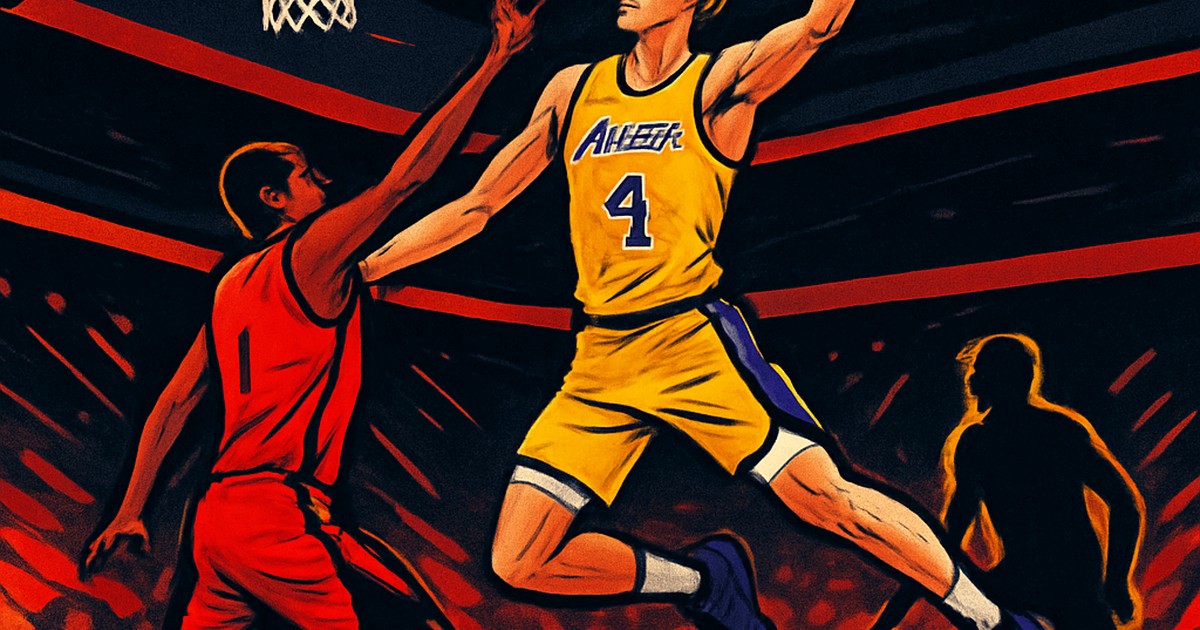
The Los Angeles Lakers opened their playoff campaign with an electrifying victory, edging out the Houston Rockets 127-121 in an overtime thriller at the Toyota Center. This first-round showdown was defined by Luke Kennard’s stunning performance off the bench. Kennard, whose sharp shooting was the highlight of the evening, dropped a career-playoff-high 28 points, going 7-for-10 from beyond the arc. The Rockets’ strategy to double-team LeBron James backfired spectacularly as Kennard punished them with his precision shooting. LeBron James was, as ever, a force on the court with 31 points, 12 rebounds, and 9 assists. Anthony Davis, not to be overshadowed, contributed significantly with 26 points and 14 rebounds, while Austin Reaves added 21 points. However, it was the Lakers’ bench depth that truly turned the tide, outscoring Houston’s reserves 53-33. With Game 2 looming, the Rockets will need to address their bench weaknesses, especially in the absence of Fred VanVleet, to avoid a potential early exit.
Context
The Los Angeles Lakers and Houston Rockets have a rich history of playoff encounters, often delivering nail-biting contests that captivate basketball fans. With the 2026 NBA playoffs kicking off, expectations were high for both teams. The Lakers, led by seasoned veterans LeBron James and Anthony Davis, entered the postseason with aspirations of championship glory after a solid regular season. Their playoff experience and depth were seen as major advantages in their first-round matchup against a youthful Rockets squad. The Rockets, on the other hand, were seeking to make a statement, driven by a talented but inexperienced roster that includes rising stars like Alperen Sengun and rookie Reed Sheppard.
In the weeks leading up to the playoffs, the Rockets faced a setback with the injury of Fred VanVleet, a key player expected to contribute significantly in the postseason. His absence was a major blow to Houston’s bench strength, which was already considered one of the weakest among playoff teams. The challenge for the Rockets was not only to match the Lakers’ star power but also to find reliable scoring off the bench. Meanwhile, the Lakers were riding high on their balanced roster and the return to form of their key players, particularly LeBron James, who has been a fixture in the postseason for over a decade.
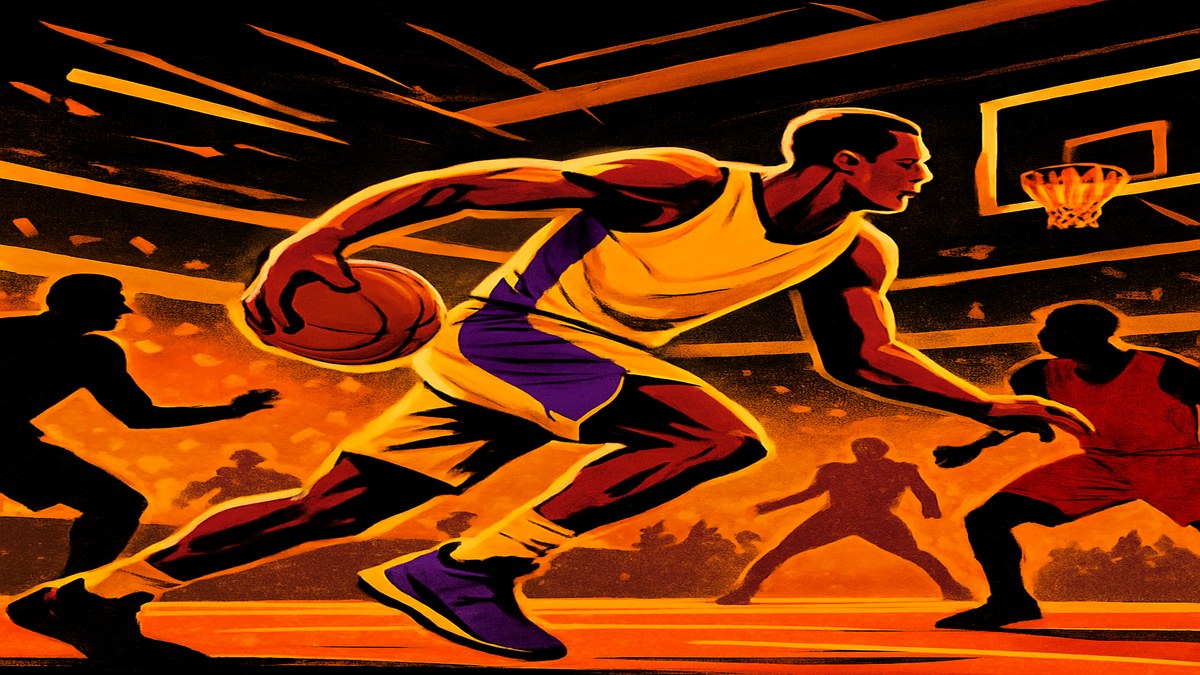
This playoff series marks a critical juncture for both franchises. The Lakers are eager to capitalize on their veteran leadership and depth to make a deep playoff run. For the Rockets, it’s about building on their young core’s potential and proving they can compete with the league’s elite. With the series starting in Houston, the Rockets had the opportunity to seize an early advantage, but the Lakers’ resilience and strategic prowess quickly put that plan in jeopardy.
What Happened
In what was a tightly contested Game 1, the Los Angeles Lakers managed to steal a win from the Houston Rockets on their home court, thanks to a spectacular performance by Luke Kennard. Coming off the bench, Kennard delivered a career-playoff-high 28 points, making 7 of his 10 three-point attempts. His shooting display was pivotal, especially during crunch time, punishing the Rockets repeatedly for their decision to double-team LeBron James. His accuracy from beyond the arc and clutch free throws in overtime became the defining moments of the game.
LeBron James was his usual dominant self, recording 31 points, 12 rebounds, and 9 assists, nearly achieving a triple-double in what was his 16th career playoff Game 1. Anthony Davis was a force in the paint, adding 26 points and 14 rebounds, while Austin Reaves contributed 21 points, helping the Lakers maintain offensive pressure throughout the game. The Lakers’ depth was on full display, with their bench outscoring the Rockets’ reserves 53-33, a critical factor given Houston’s thin bench due to Fred VanVleet’s injury.
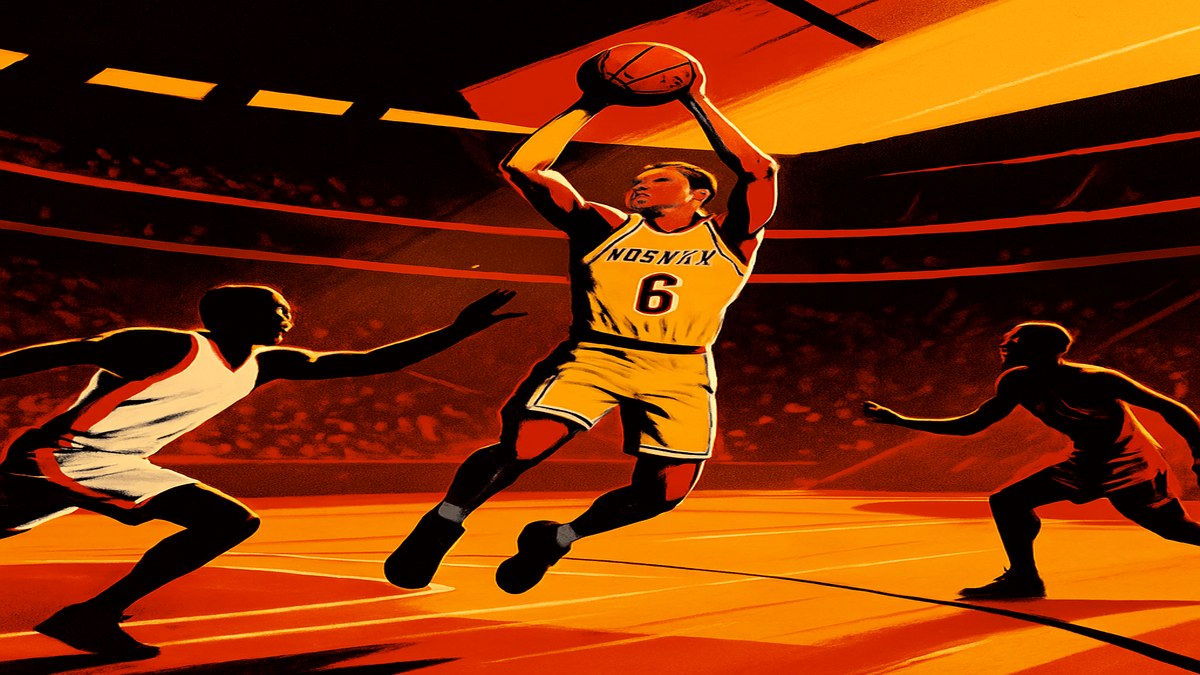
For the Houston Rockets, Alperen Sengun was the standout performer, posting 32 points and 13 rebounds, showcasing his potential as a franchise cornerstone. Rookie Reed Sheppard had an impressive playoff debut, scoring 15 points in 22 minutes. However, Jalen Green struggled, shooting just 5-for-19, which hindered the Rockets from closing out the game in regulation. This shooting inefficiency, coupled with their lack of bench production, ultimately cost Houston the game. As Game 2 approaches, the Rockets must address these issues to avoid falling into a 0-2 hole in the series.
Why It Matters
This Game 1 victory is significant for the Los Angeles Lakers as it sets the tone for the rest of the series, potentially putting them in a strong position to advance. Securing a win on the road, particularly in an overtime thriller, not only builds momentum but also serves as a confidence booster for the team. Luke Kennard’s performance underscores the Lakers’ depth, highlighting the importance of having reliable bench players who can step up when needed, especially in high-pressure situations. This depth could be the key factor that propels the Lakers through the playoffs.
For the Houston Rockets, the game exposed critical vulnerabilities, particularly in their second unit. The absence of Fred VanVleet looms large, as it magnifies the fragility of their bench, an aspect they must rectify to remain competitive in the series. The Rockets’ inability to capitalize on Jalen Green’s potential and Reed Sheppard’s promising debut reflects a need for more consistent contributions across their roster. If they hope to counter the Lakers’ depth and resilience, they will need to adapt their strategy and elevate their level of play.
From a broader perspective, this game highlights the ever-evolving dynamics of playoff basketball, where the ability to adapt and strategize can turn the tide of a series. The Lakers’ victory demonstrates how critical bench depth and strategic adjustments are in the postseason. As both teams prepare for Game 2, the pressure is on Houston to respond, making this series not just a contest of talent but also of tactical acumen and mental fortitude.
How We Approached This
In crafting this feature, we assembled insights from a range of sources, including post-game interviews, statistical analyses, and historical playoff data. Our goal was to provide a comprehensive account of the game while highlighting key performances and strategic decisions that defined the outcome. The focus was on Luke Kennard’s breakout performance and its implications for the Lakers’ playoff aspirations, while also examining the challenges faced by the Rockets in overcoming their bench deficiencies.
Sports Wire Daily’s approach prioritizes tactical analysis and statistical rigor, which informed our emphasis on the bench dynamics and shooting efficiencies that played crucial roles in the game’s outcome. We chose to concentrate on these aspects to provide readers with a deeper understanding of the strategic elements at play. By focusing on the players’ performances and the teams’ adjustments, we aimed to offer a nuanced perspective that goes beyond the surface-level results of the game.
Frequently Asked Questions
What was the key to the Lakers’ victory?
The key to the Lakers’ victory was their bench strength, led by Luke Kennard’s 28-point explosion. His accurate shooting from three-point range, coupled with the overall depth of the Lakers’ roster, allowed them to exploit the Rockets’ weak bench. Additionally, the strategic decision to punish Houston’s defense for focusing on LeBron James was crucial.
How did the Rockets perform in Game 1?
The Rockets put up a valiant fight, with standout performances from Alperen Sengun and rookie Reed Sheppard. However, their performance was marred by Jalen Green’s shooting struggles and a lack of depth due to Fred VanVleet’s absence. These factors contributed to their inability to capitalize during the crucial moments of overtime.
What adjustments do the Rockets need to make for Game 2?
For Game 2, the Rockets need to find more scoring options off the bench and improve their shooting efficiency, particularly from key players like Jalen Green. Strengthening their defensive strategy to better handle the Lakers’ depth and addressing their reliance on the starting lineup are critical to evening the series.
As the playoff series progresses, all eyes will be on the adjustments each team makes and how they impact the remaining games. The Lakers, buoyed by their Game 1 success, aim to build on this momentum, while the Rockets face the challenge of regrouping and countering the Lakers’ multifaceted offensive threats. With Game 2 slated for Wednesday, the stage is set for another thrilling encounter, where Houston must respond decisively to keep their playoff hopes alive. This opening game serves as a stark reminder of how crucial depth and adaptability are in the high-stakes environment of the NBA playoffs.