
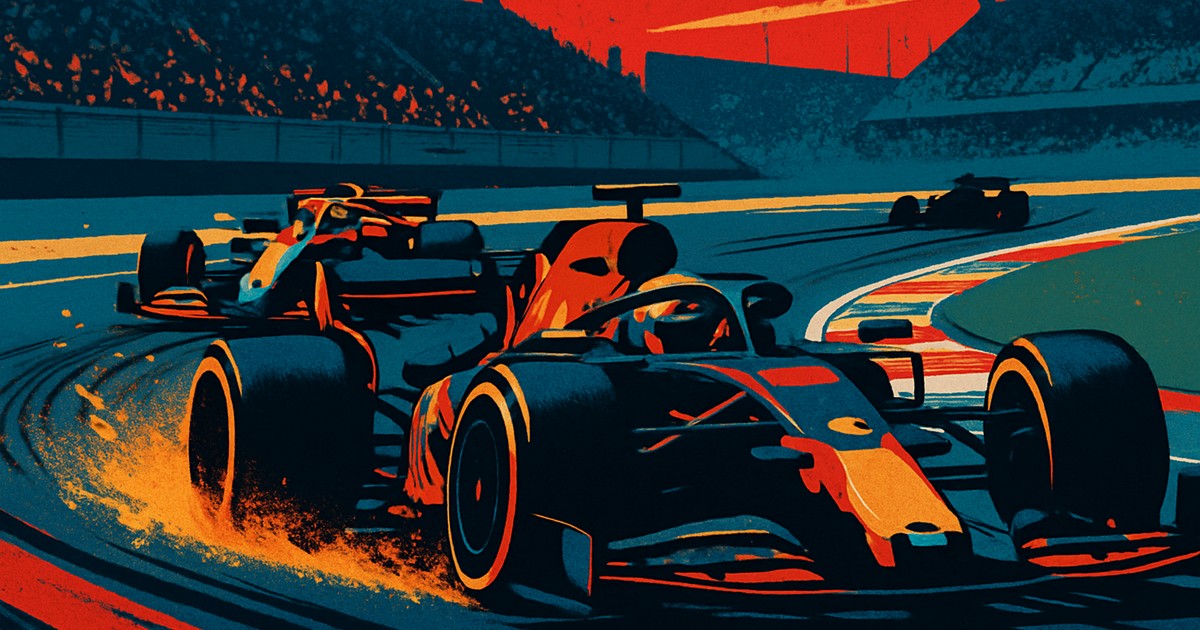
In a dazzling display of speed and precision, Max Verstappen clinched victory at the Formula 1 Chinese Grand Prix Sprint Race today, maintaining his lead from pole to flag at the Shanghai International Circuit. This win reinforces Verstappen’s standing as a formidable force in the 2026 season, yet it was overshadowed by a storm brewing off the track. McLaren lodged a formal protest against Red Bull Racing, alleging that the rear wing of Verstappen’s car exhibited excessive flex under aerodynamic loads, a potential breach of FIA regulations. This protest, accepted by the FIA for further investigation, has cast a shadow over the triumph and promises to reverberate through the paddock, potentially reshaping the competitive landscape before Sunday’s main event.
Context
The controversy surrounding Red Bull’s rear wing is not an isolated incident but rather a resurgence of an ongoing debate that has periodically surfaced in Formula 1 over the past few years. The flexibility of aerodynamic components has been a focal point of technical scrutiny, reminiscent of the 2021 season disputes, where similar claims led to regulatory clarifications and heightened inspections. Aerodynamic efficiency, crucial for maximizing speed and performance, often pushes teams to explore the very edges of what’s permissible.
The latest episode unfolds amidst a dynamic and fiercely competitive 2026 season. Teams are employing every possible engineering innovation to gain an edge in this tightly contested series. With new regulations that were implemented at the start of the 2025 season, designed to enhance competition by limiting aerodynamic downforce, teams have been aggressively innovating within these constraints. The rear wing, a critical component for managing airflow and enhancing high-speed stability, has once again become a central battlefield for technical compliance and competitive advantage.
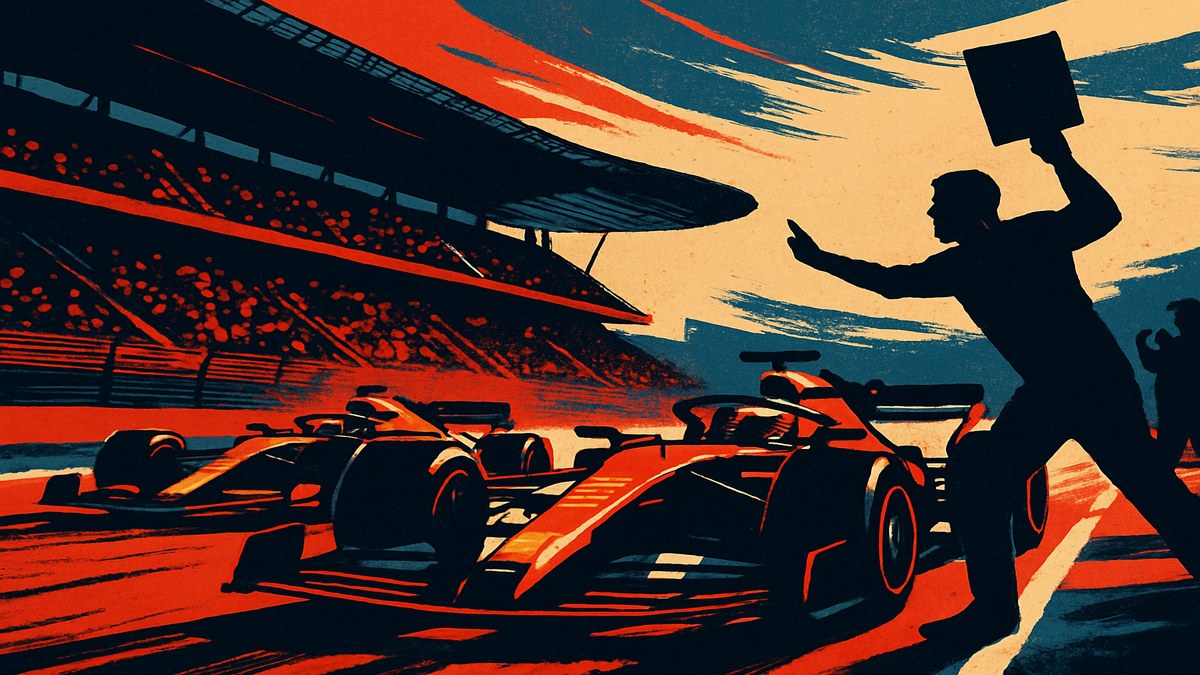
This week’s events are particularly pivotal given the standings shake-up that could result from any penalties imposed. The Shanghai International Circuit, known for its demanding layout and high-speed straights, is the perfect stage for testing the limits of car design and driver skill. Red Bull’s engineering prowess has been on display, yet McLaren, eager to capitalize on any opportunity to gain ground in the championship, has taken a calculated risk by challenging their rivals’ compliance. With the FIA’s acceptance of the protest, the scrutiny now extends beyond the race track to the technical details that underpin the sport’s integrity.
What Happened
Max Verstappen’s victory in the sprint race was a masterclass of driving and strategic execution, with the Dutchman leading every lap to cross the finish line first. His dominant performance, characterized by precise cornering and optimal tire management, underscored Red Bull’s superior race-day setup. However, the post-race atmosphere shifted dramatically as McLaren’s protest against Red Bull’s rear wing became the focal point of attention. McLaren’s challenge is based on their analysis of onboard camera footage, which they argue shows the rear wing flexing excessively under aerodynamic pressure, potentially providing Red Bull an illegal advantage in straight-line speed.
The FIA, recognizing the potential impact of these claims on the race weekend and the broader season, swiftly moved to accept the protest. They have announced plans to conduct additional scrutineering of Red Bull’s car ahead of Sunday’s main race. If the rear wing is found to contravene the FIA’s stringent regulations, Red Bull faces severe repercussions, including disqualification from the sprint race results and a grid penalty for the main event, which could significantly alter the championship dynamics.
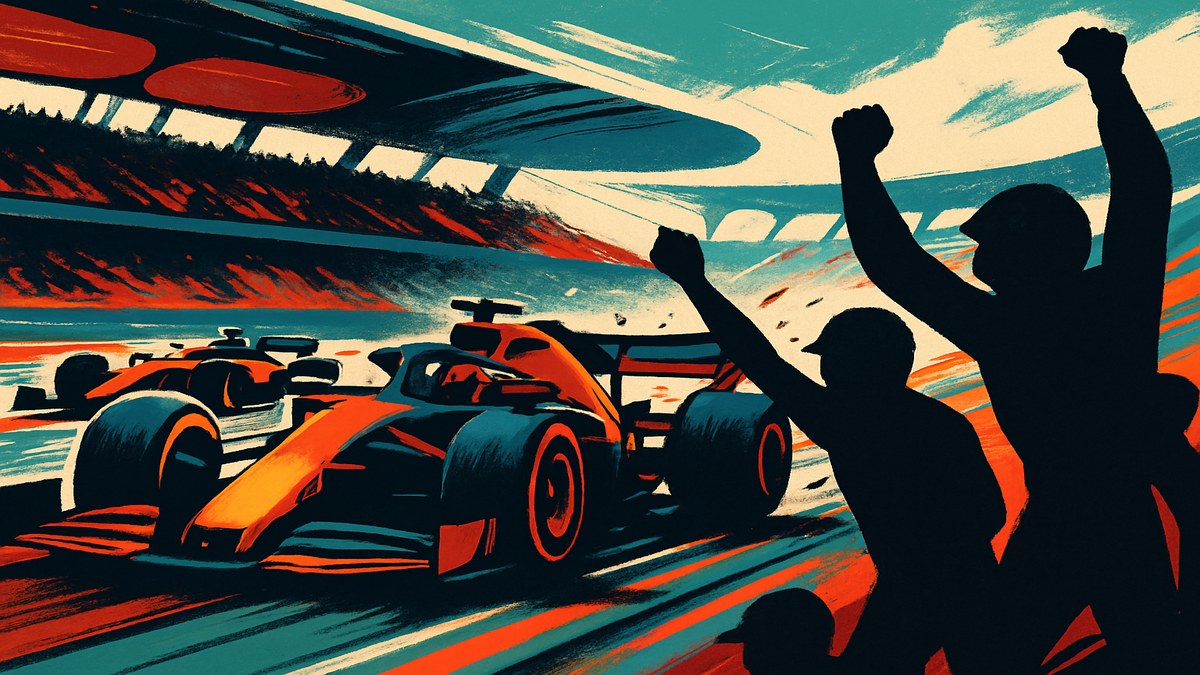
The reaction across the paddock has been mixed. Ferrari has expressed support for McLaren’s stance, citing the importance of maintaining a level playing field and adherence to technical standards. Mercedes, on the other hand, has opted to remain silent on the matter, perhaps strategically choosing to observe the outcome before committing to a position. The tension highlights the complex interplay between competitive aspirations and regulatory compliance, with the potential to influence not just the Chinese GP but the trajectory of the season.
Why It Matters
The implications of the protest extend beyond the immediate race results, potentially reshaping the competitive hierarchy and influencing future regulatory approaches. If McLaren’s claims are substantiated, it would not only affect Red Bull’s standing in the championship but could also prompt a broader review of aerodynamic compliance across all teams. This scenario could lead to more rigorous inspections and possibly new technical directives aimed at closing any loopholes exploited under current rules.
For the industry, the controversy underscores the constant technological arms race that defines Formula 1. Each team invests heavily in research and development, pushing the boundaries of materials science and aerodynamic design to gain a competitive edge. The scrutiny on Red Bull’s rear wing highlights the delicate balance between innovation and regulation, where teams are perpetually seeking new methods to enhance performance within the legal framework.
From a consumer perspective, such high-profile disputes can enhance interest and engagement with the sport, drawing attention to the intricate technical details that often go unnoticed. The drama of on-track rivalries complemented by off-track controversies adds layers of intrigue that captivate audiences worldwide. This incident, by potentially altering the championship narrative, reinforces the unpredictable and thrilling nature of Formula 1, maintaining its allure as a premier motorsport spectacle.
How We Approached This
In reporting this story, we prioritized a balanced view that considers both the competitive and regulatory dimensions of the dispute. Our coverage was informed by a range of sources, including official statements from the FIA, team press releases, and expert analysis from industry veterans. In crafting this narrative, we sought to highlight the key technical aspects at the heart of the controversy while contextualizing the broader implications for the sport.
Our editorial lens emphasizes detailed analysis and a commitment to uncovering the truth behind the headlines. We deliberately chose to focus on the potential technical infractions and their impact on the championship to provide our readers with a comprehensive understanding of the stakes involved. By dissecting the nuances of the protest, we aim to offer insights that transcend the immediate news cycle and contribute to a deeper appreciation of the strategic complexities inherent in Formula 1.
Frequently Asked Questions
What is rear-wing flex in Formula 1?
Rear-wing flex refers to the ability of a Formula 1 car’s rear wing to bend or flex under aerodynamic load. This can potentially give a team an advantage by reducing drag and increasing top speed on straights, provided it remains within the limits set by FIA regulations.
Why did McLaren protest Red Bull’s rear wing?
McLaren’s protest was based on observations from onboard camera footage that allegedly showed Red Bull’s rear wing flexing more than allowed under FIA rules. They believe this flex could give Red Bull an unfair aerodynamic advantage, prompting their formal challenge to ensure compliance and fair competition.
What are the potential outcomes of the protest?
If the FIA finds Red Bull’s rear wing in violation of their regulations, the team could face disqualification from the sprint race results and a grid penalty for the main race. Such a ruling could significantly impact the championship standings and prompt further regulatory scrutiny across the paddock.
As the Formula 1 paddock holds its collective breath, the outcome of the FIA’s scrutiny on Red Bull’s rear wing will undoubtedly shape the narrative of the Chinese Grand Prix and possibly the entire season. This controversy, a testament to the ever-present tension between innovation and regulation, serves as a reminder of the intricate layers that define the sport’s competitive spirit. As teams prepare for the main race, all eyes remain on the FIA’s decision, a verdict that could echo through the championship and beyond.